Reimagining Spaces with Upcycled Modular Smart Interiors
Circular Thinking, Everyday Agility
Character Born From What Already Exists
Upcycling respects the memory inside materials—oak boards that hosted decades of dances, steel once framing a workshop, or glass panes that traveled between studios. Retaining patina tells a story money can’t fake. Rather than hiding past lives, we honor them through careful finishing and precise fit. The result feels grounded, distinct, and surprisingly modern, because authenticity never ages. Guests ask, you share, and your space becomes an ongoing conversation about value, stewardship, and the inventive joy of designing with limits.
Modularity That Moves With You
When furniture and partitions share common dimensions, everything stacks, clicks, and relocates with less stress. Need a nursery today and a studio tomorrow? Swap two panels, add a caster base, and re-route a cable channel. Fasteners designed for repeat use keep materials unharmed. Shelves jump between rooms without mystery parts, and repair becomes refreshingly ordinary. By planning standards once—widths, hole patterns, hinge lines—you unlock countless configurations without buying more stuff, letting your home adapt as quickly as your ambitions do.
Quiet Tech, Softer Living
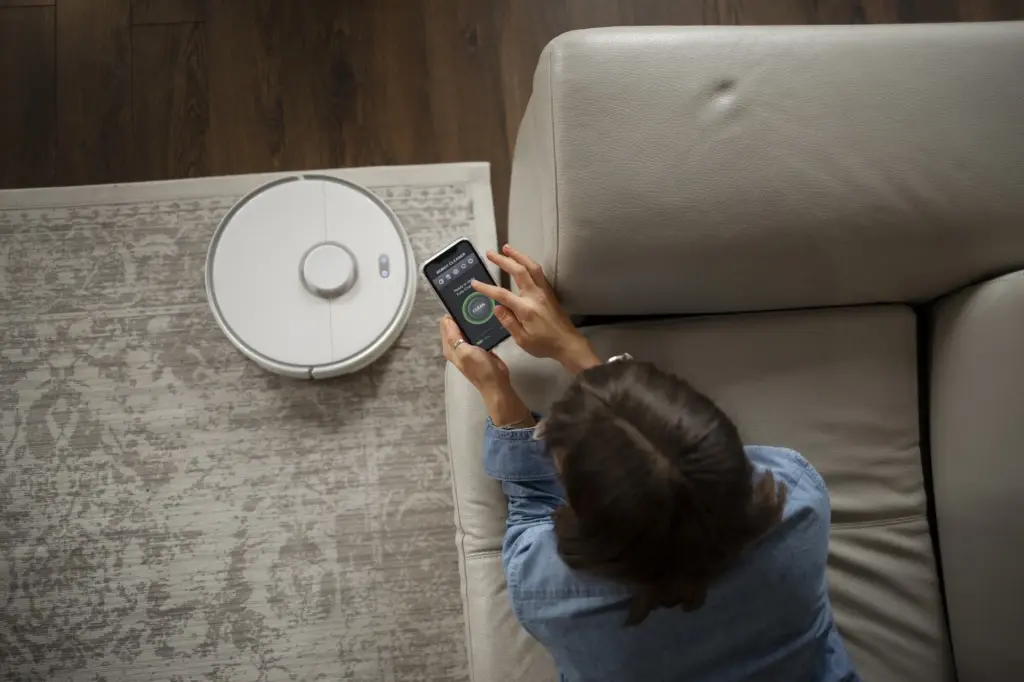
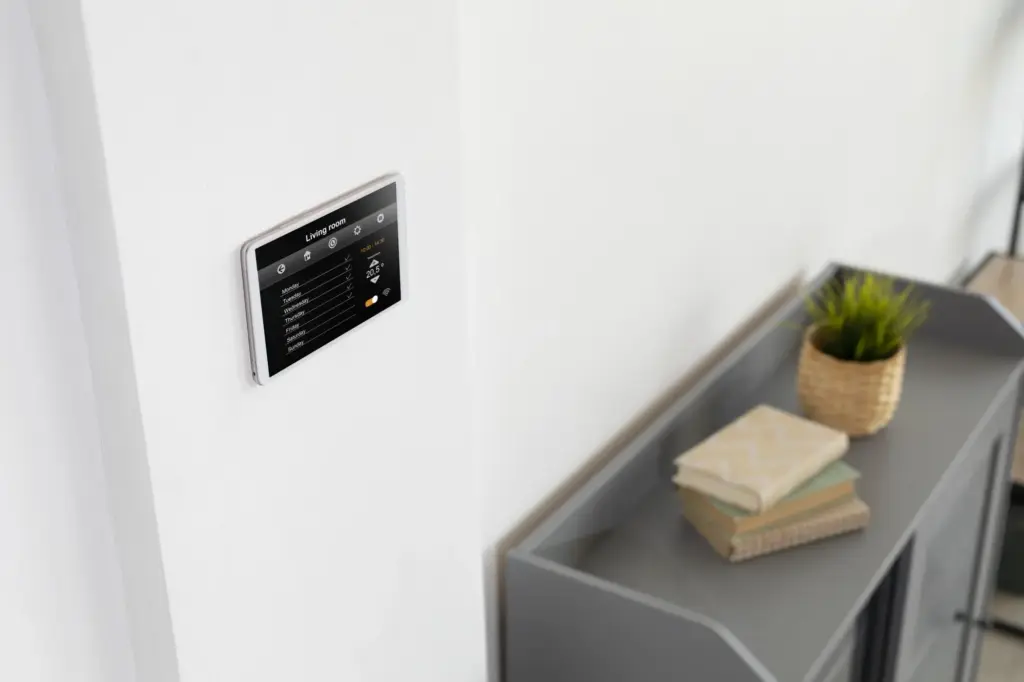
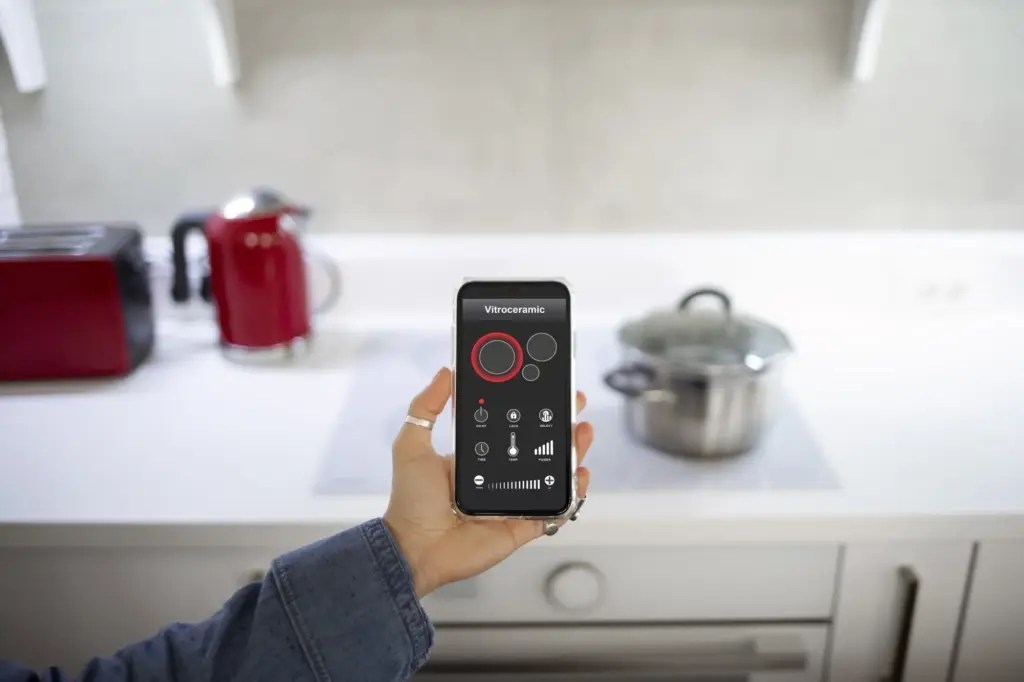
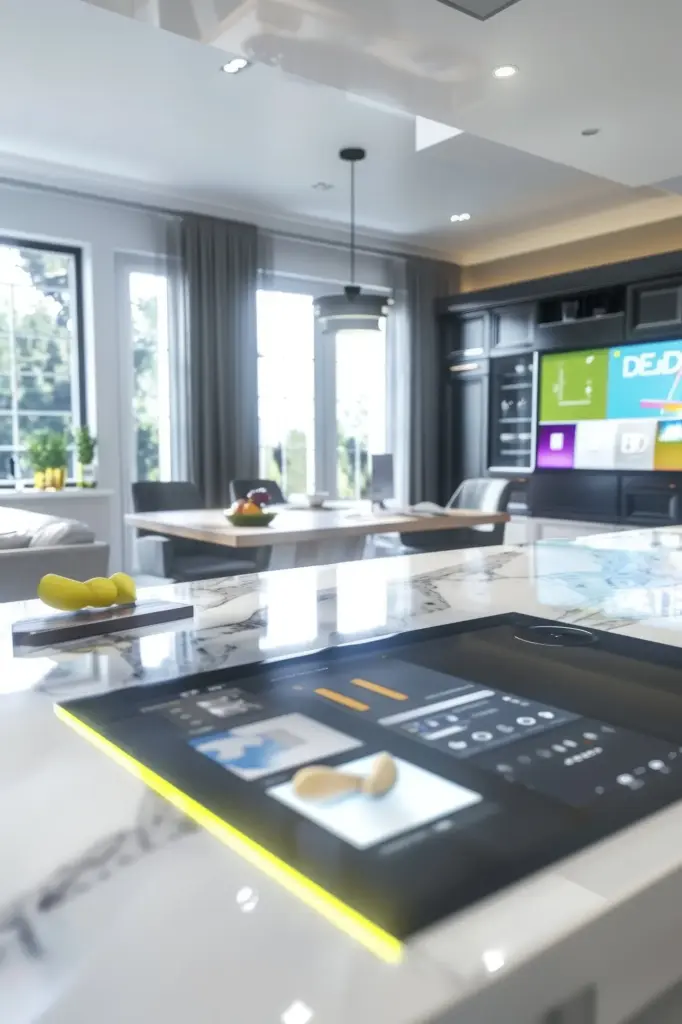
Smart does not need to glow or buzz to prove itself. Subtle sensors dim light when daylight rises, nudge ventilation when cooking spikes humidity, and learn your rhythm without hoarding intimate details. Low-power devices, local automations, and transparent controls prevent gadget fatigue. You feel supported, not managed. The design test is simple: if power fails, things still work; when power returns, comfort resumes gracefully. Technology should disappear behind craftsmanship, while reliability, privacy, and ease confidently remain in plain sight.
Sourcing With Integrity and Safety

Engineering the Kit: Connectors, Tolerances, and Reuse
Open Dimensions, Endless Combinations
Fasteners That Forgive and Last
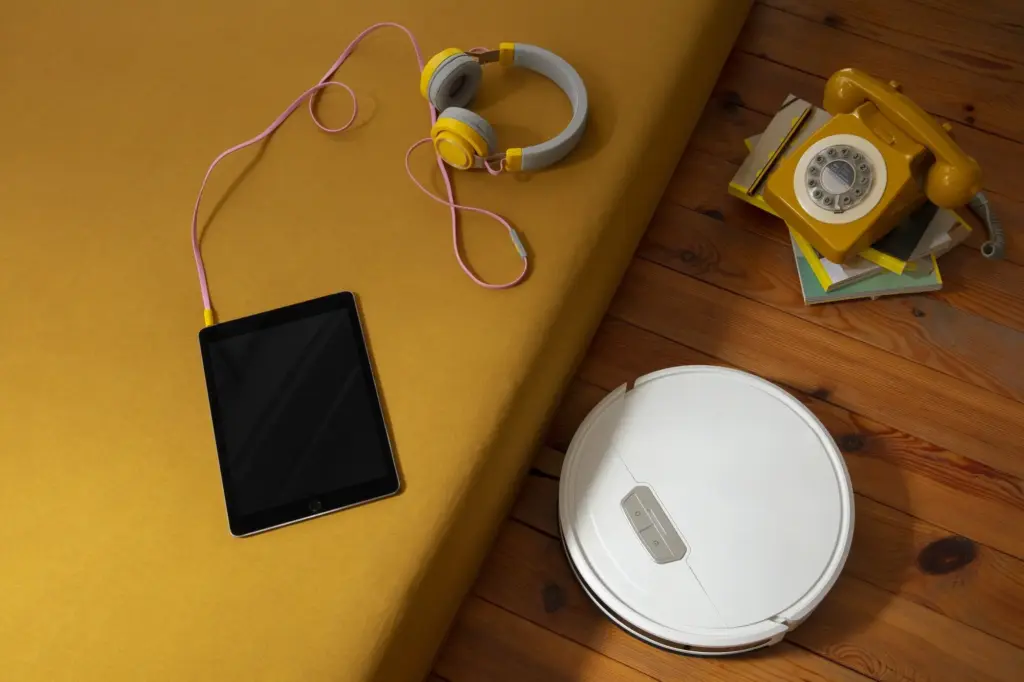
Intelligent Layers That Respect Energy and Privacy
Retrofit Without Reconstruction
Clip-on tracks, adhesive conduits, and under-shelf rails route power and data cleanly across existing walls. Battery sensors paired with energy-harvesting switches eliminate chases and mess. Place occupancy, light, and air quality nodes where they matter most—over a desk, near a cooktop, beside a window plant. Calibrate once, then let routines offer gentle nudges. If you move, unplug and take everything with you. Electricity follows furniture, not the other way around, and yesterday’s rental becomes tomorrow’s perfectly tuned studio.
Open Standards, Long Lives
Choose ecosystems that speak in shared languages, so a new hub or brand does not orphan yesterday’s devices. Firmware should be updateable, rollbacks possible, and local rules editable without subscriptions. The aim is longevity: fewer boxes replaced, more years extracted from existing chips. Consider Matter, Thread, Zigbee, or similar, mapped to your use cases rather than hype cycles. Standards invite community knowledge, simplify troubleshooting, and keep experimentation playful instead of punishing, making smart features feel like a reliable craft, not a gamble.
Privacy by Design, Not as an Afterthought
Place microphones only where they are truly helpful, and offer hardware mute switches you can trust. Favor on-device processing for common automations, storing minimal logs locally with clear retention windows. When cloud services add real value, encrypt end to end and audit permissions quarterly. Explain settings to housemates and guests so everyone feels respected. A caring interior protects both bodily comfort and digital dignity, proving convenience and consent can coexist gracefully within the same warm, thoughtfully upcycled walls.
Style, Comfort, and the Poetics of Patina
Lighting That Paints, Not Shouts
Mix task lights with low-glare diffusers to honor grain, soften metal reflections, and calm open plans. Aim for warm dimming in evenings and crisp neutrality at desks. Tuck thin LED strips into modular rails for relocatable highlights. Sensors can fade scenes rather than flip them, keeping transitions kind to eyes. Always test at night and on cloudy days; what flatters noon may tire at dusk. Your lighting should make patina glow like a story gently retold, never a headline screamed.
Color Stories From Mixed Provenance
When components arrive with their own hues—school green lockers, pale lab countertops, smoked oak—compose rather than conceal. Choose a unifying neutral, then let accents echo across rooms for coherence. Sand and oil selectively to modulate warmth without erasing history. Sample finishes on offcuts under real lighting before committing. The goal is harmony through conversation, where disparate voices sing together, and visitors sense an intentional chord rather than patchwork noise, all while your home wears its history with unforced, confident charm.
Tactility That Invites Daily Use
Edges rounded to a millimeter your hand recognizes, handles wrapped in reclaimed leather, and panels sealed silky-matte shift behavior instantly: people touch, linger, and care. Texture guides movement better than labels. Choose finishes that forgive fingerprints and welcome touch, then position contact points where strength lives in the grain. A tactile interior hosts rituals—placing keys, sliding a stool, drawing a curtain—that become anchors in busy weeks. Comfort is not only soft; it is how surfaces greet you, every single day.
Real-World Transformations and Your Next Step
A Weekend Studio That Actually Works
An Office Lounge From Yesterday’s Server Racks
Your Turn: Start Small, Learn Fast
All Rights Reserved.